Max’s first day on skis. So fun!


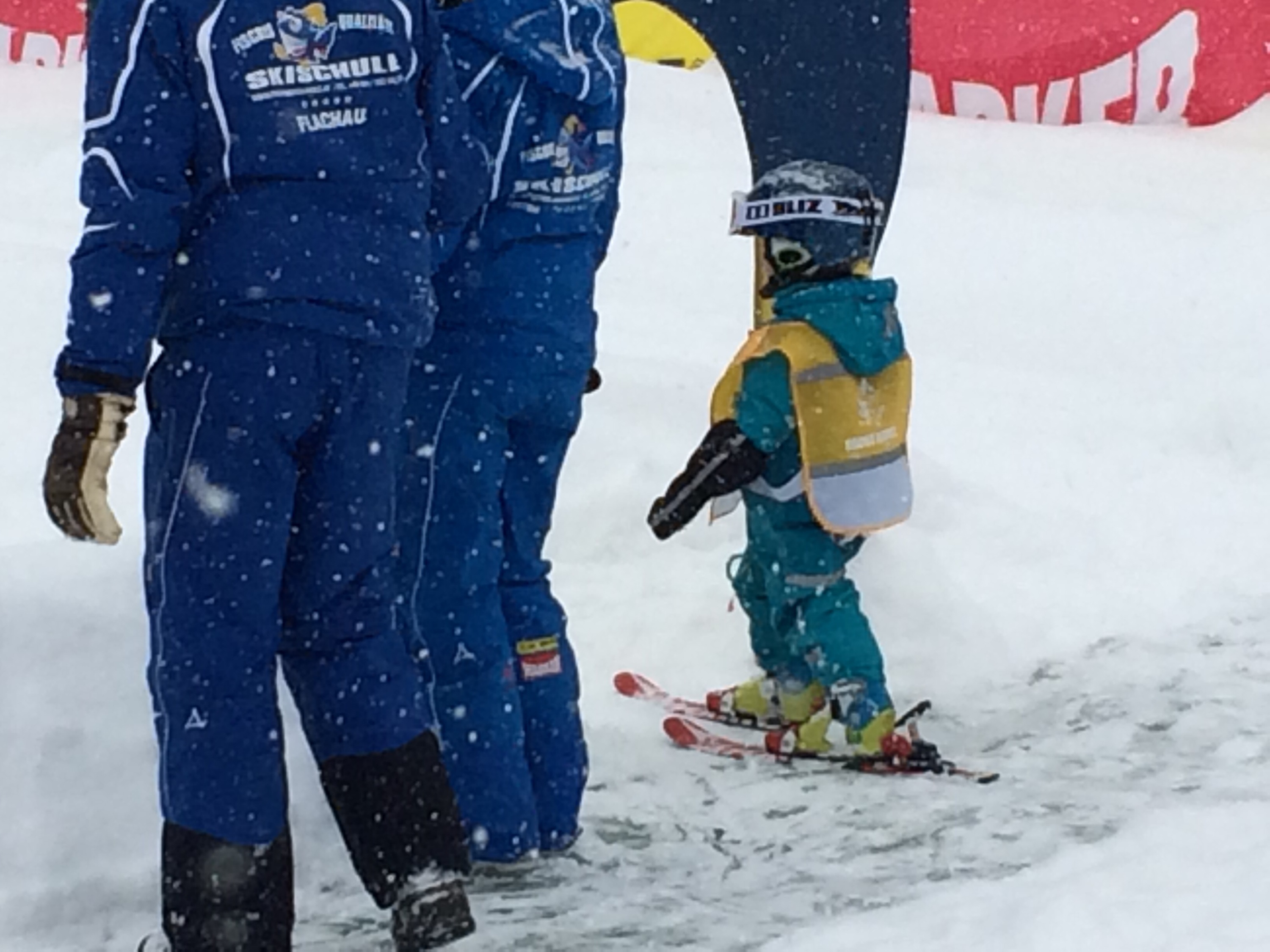
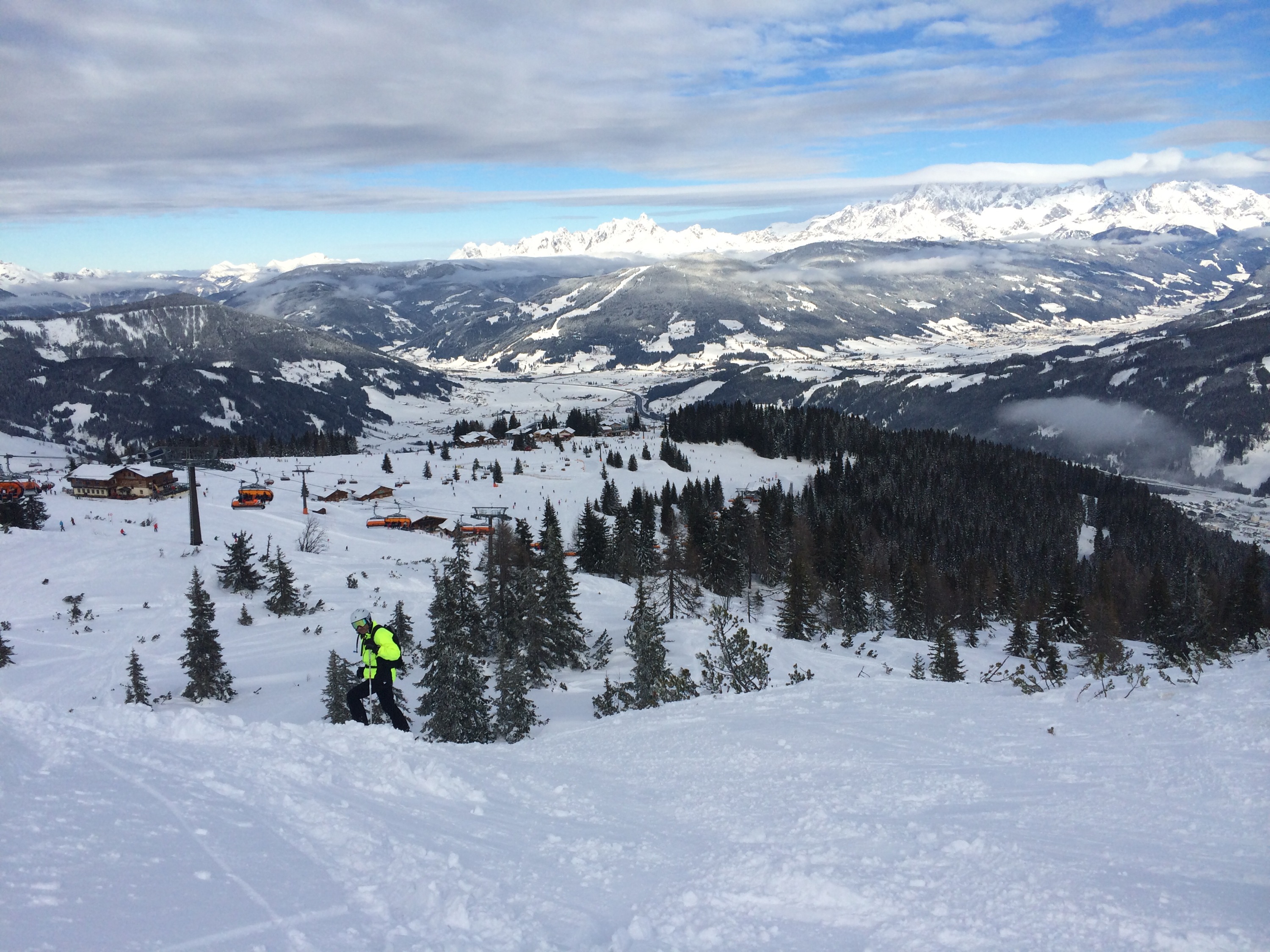
Max’s first day on skis. So fun!

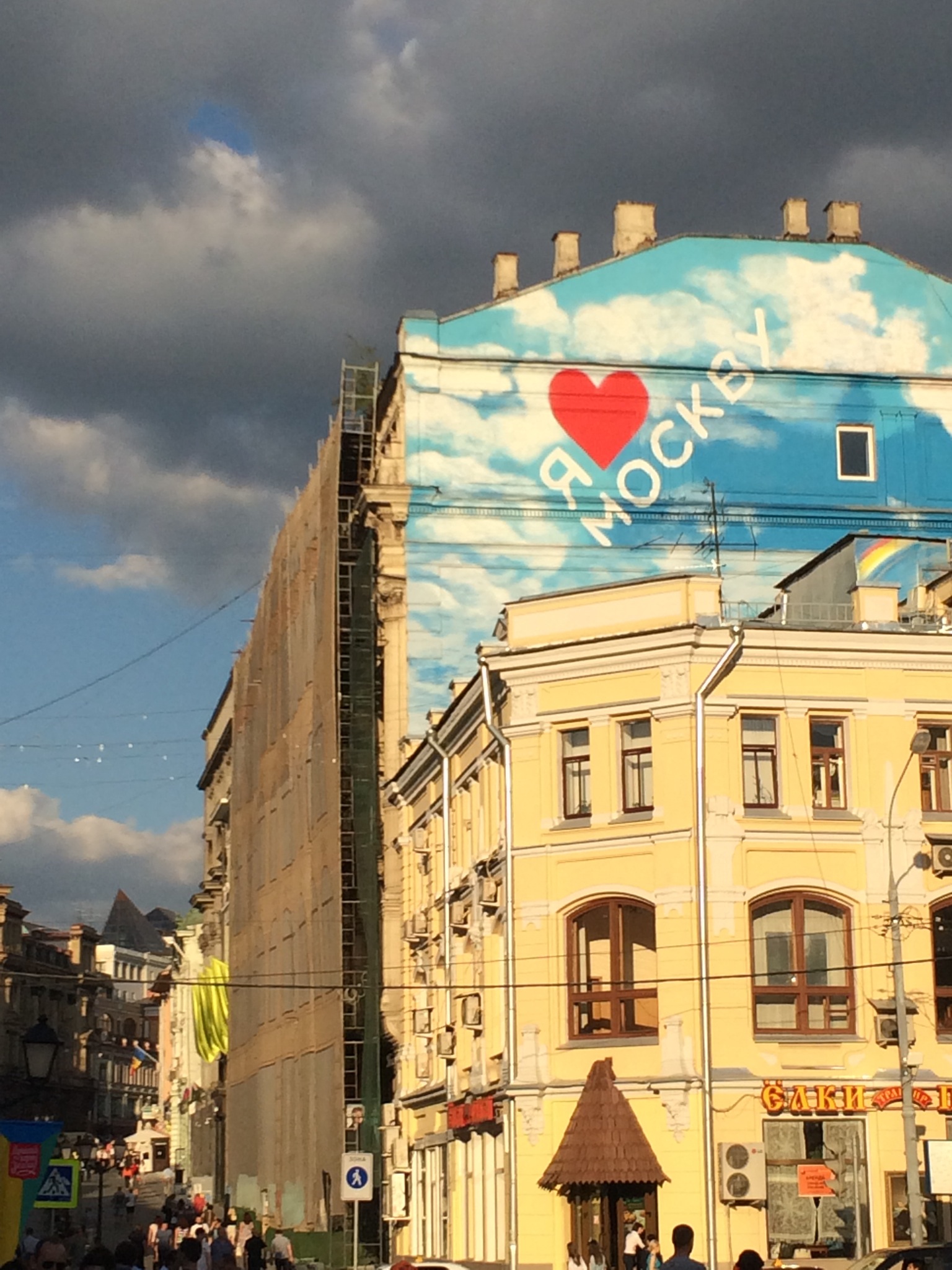
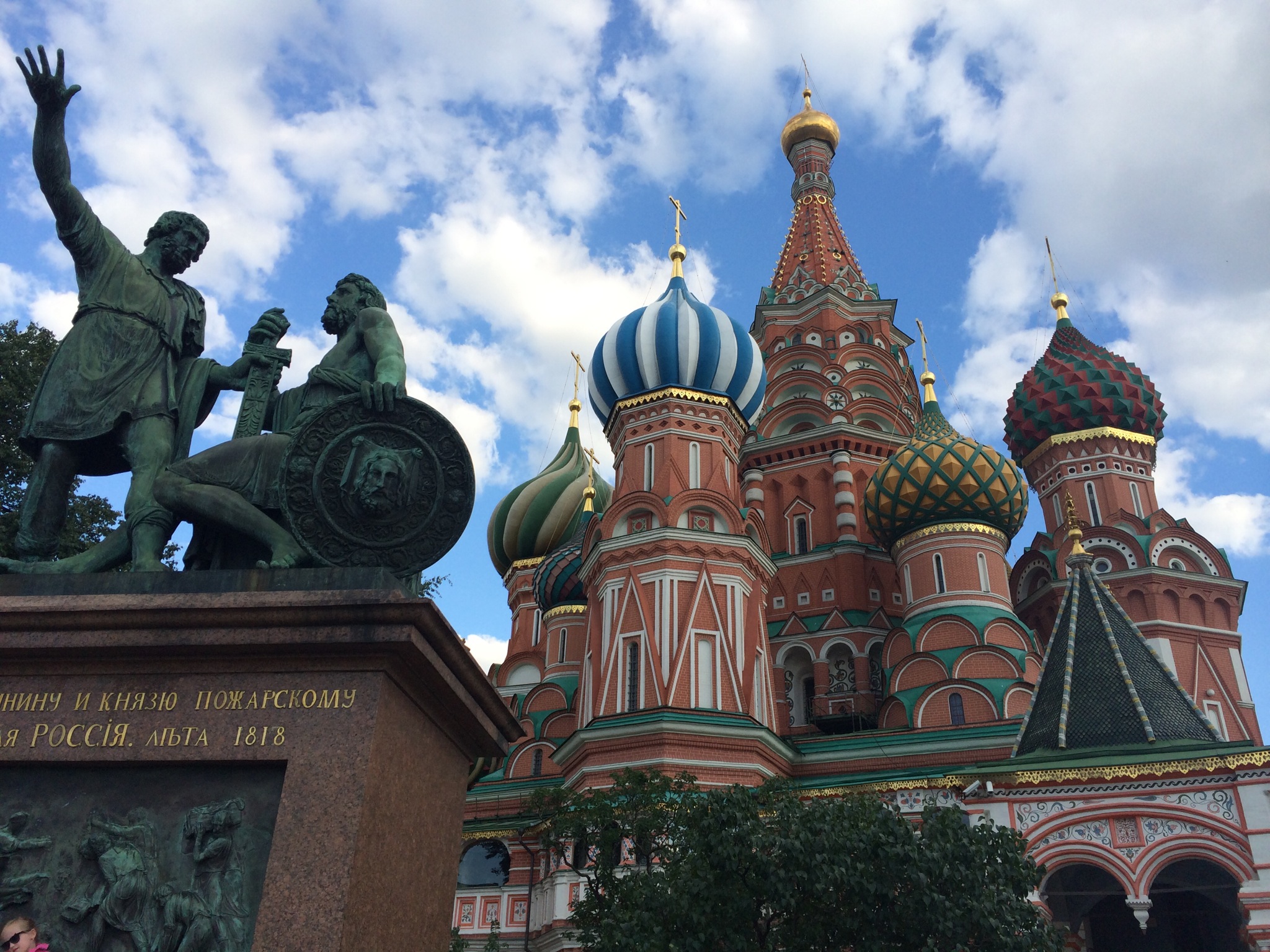
Interesting couple of days, both for work and personal impressions. Central Moscow has beauty and is more walkable, touchable than I expected. There is a small park that comes right up to the Kremlin gates and is full of picnickers, tourists, and readers. Outdoor cafés, loads of luxury cars and shops, green spaces and new bike share programs, and a real pulse.
I’ve visited the capitals of China, Vietnam, and Russia in the last few months. Communism is alive and well and driving a Range Rover.
Meanwhile, there’s a very high tension about what’s going to come of the Ukraine situation, international sanctions, and potential military escalation that I don’t think is felt by most in the West.





Karin, Max, Mormor, and Morfar are up at the cottage. I’m in Boston, but thanks to a variety of magical technologies, we talk and see each other on a pretty regular basis.
And here’s Max, training hard for his first big dive meet.
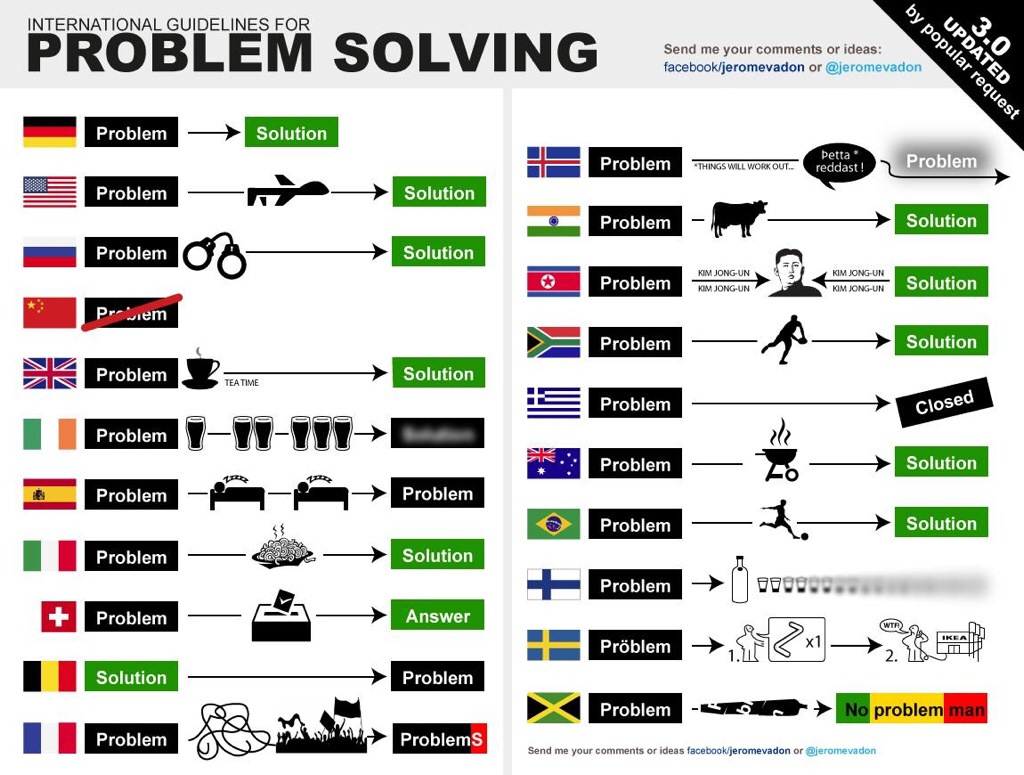
I’ve been meaning to write this since we first arrived in Koh Lanta and were surrounded by countless Swedish families on long-term vacations. They were there for 3 months, 6 months, or more. Many were regulars, returning for a second or third multi-month stint. Some had just one kid but many had multiple. These weren’t rock stars or hedge fund managers who had cashed out. They were teachers, police officers, IT consultants, and other good, hard working folks. How did they all do it?
They had babies, that’s how.
Canada has generous parental leave policies compared to the US and several other countries. 50 weeks is a lot, or so I thought.
Swedes get 480 days. Yes, that’s 16 months per child. Same goes for adopted children. And most of that time can be split between the parents in any ratio, taken concurrently, or taken part-time and spaced out (eg. a mother could take 100% leave for 6 months, then dad takes 50% for 6 months, then both work for a year and then take some more…till they’ve used the 480.). You can choose to stretch or delay the benefit until the child is 8 years old if you want to. And when you’re off, the government pays you 80% of your salary, up to US$137/day. These aren’t typos.
A friend who works for Volvo (which tops up the government allowance to a full 90% of salary) is saving some of his un-taken leave till his kids are older (but still under 8) to use for extra family vacation time.
An interesting thing is that 60 days of the benefit must be the mother and 60 days must be the father, or you lose those days. Plus, fathers of newborns get an extra 10 days to be at home in the first 3 months, on top of the 480. (single parents get the full 480).
The impact on many fathers of the “use it or lose it” policy is that it shifts any feeling of guilt about taking time off to a feeling of guilt if you don’t as you would be denying your family the time AND leaving money on the table.
Last year, 24% of the total parental leave days in Sweden were taken by men. I don’t know the stats for other countries, but I bet there aren’t many that high.
Back to Thailand, many of the Swedish families there had just had kid #2 or 3, both parents were taking some months off and both we’re getting paid. So would you like to spend your non-working winter at home where it’s cold, dark, and expensive, or would you like to jump on a cheap charter flight to Thailand and hang out at the beach for half a year? Hence the TWO Swedish schools on our little Thai island, population 20,000.
The impact of the policy is also evident domestically. An article out of Sweden a short while ago mentioned an American who came to visit and walked by a playground in the middle of a weekday. After seeing that nearly half of the adults watching kids were male, he asked his Swedish host “what’s with all the gay nannies here?” Uh, no. In Sweden, those are fathers.
If you think this all sounds a bit utopic and ultra-enlightened and begs the question “what’s the catch?” I agree. So far, the only one I see is that it’s a really expensive benefit to provide. But based on some data and personal intuition, my strong guess is that it gives a fantastic payback to society, both economically and socially. Please remind me of that payback if I ever post a rant about Sweden’s 58% marginal income tax rate.
 Stock photo of generic blonde father and child.
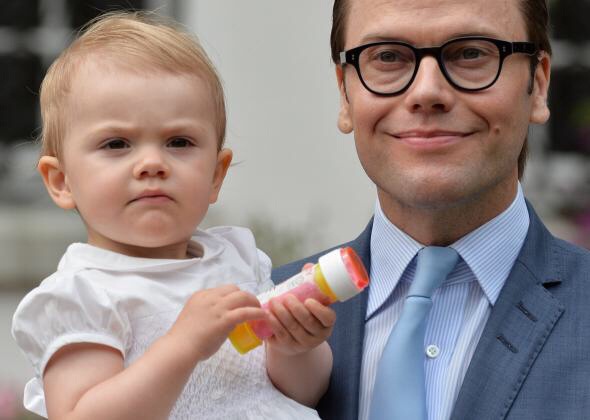 The Swedish Prince, Daniel, presumably collecting $137/day plus top-up.
Photo from the Brussels airport.
Good use of technology, but do you really want to use that touch screen?

Farewell Asia!
After brief stops and great visits in Canada, we’re now Europe bound. Karin and Max are in Gothenburg and I’m on the way.

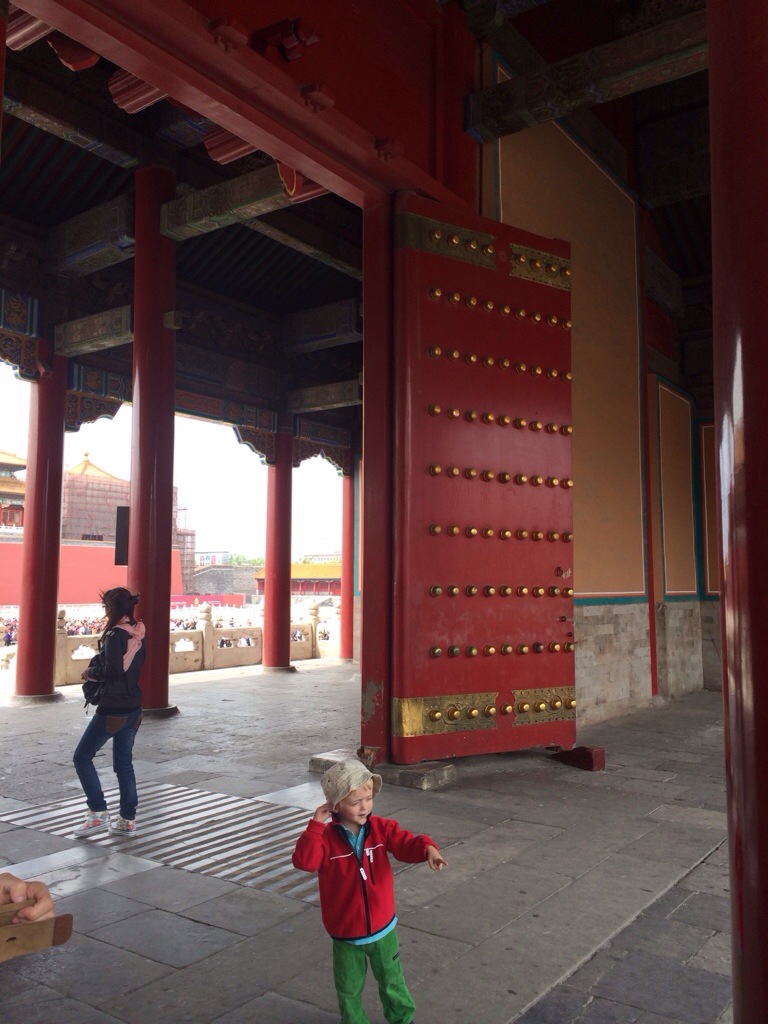
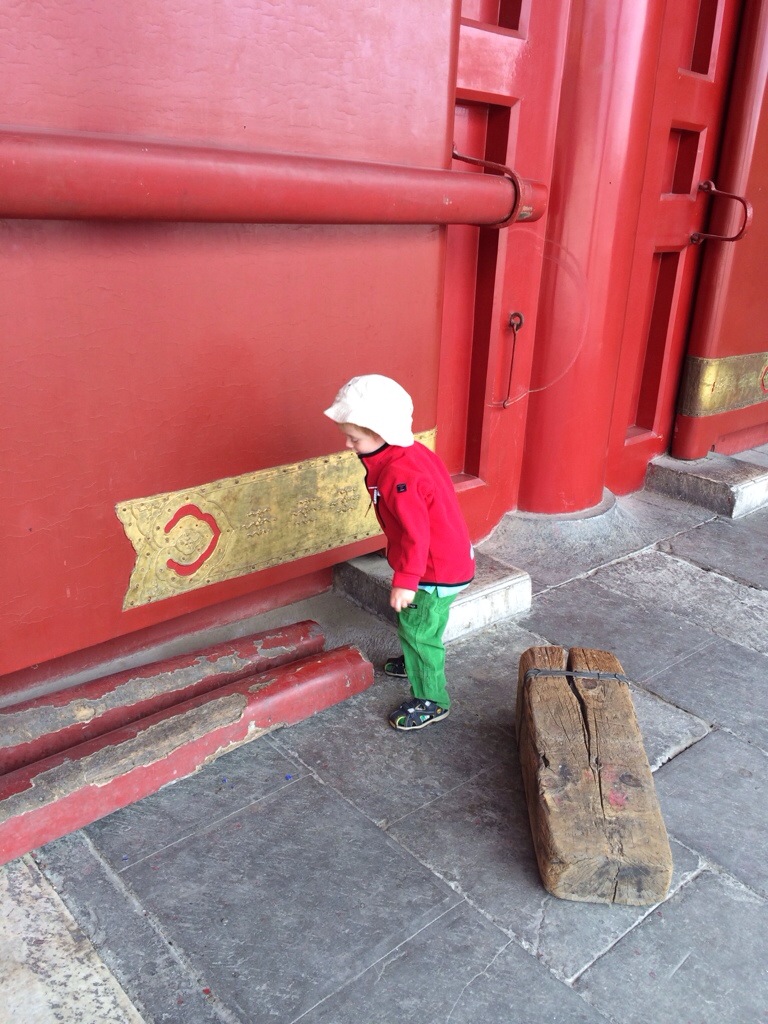
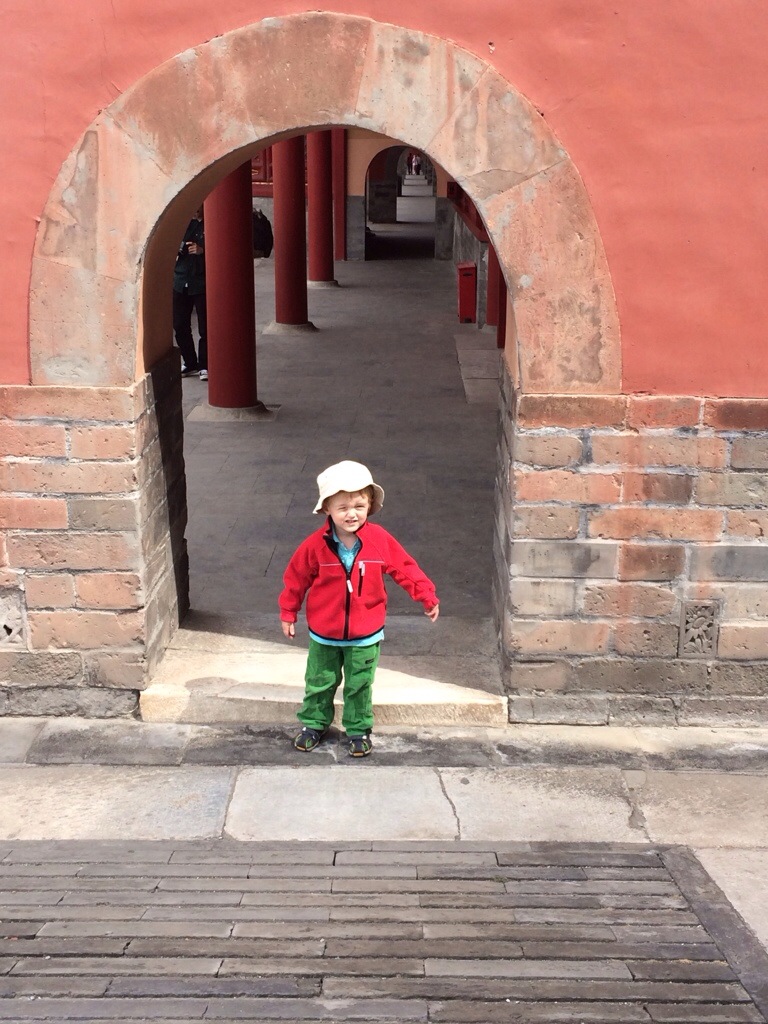
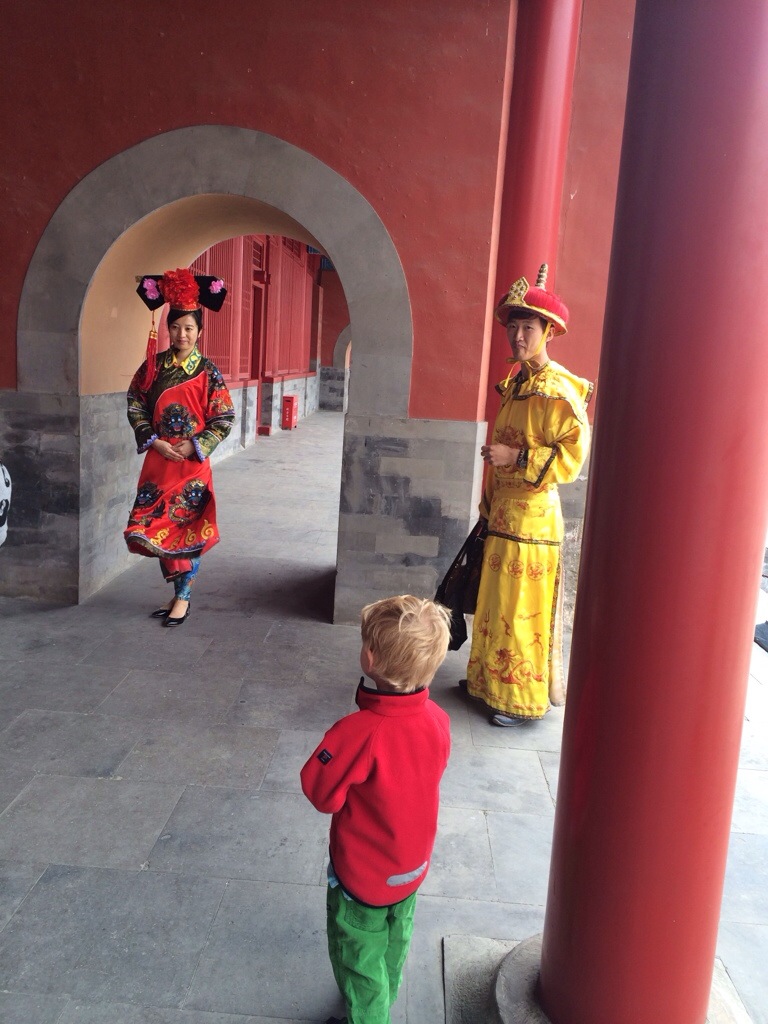
…The Forbidden City is the best place ever for a good game of hide and seek. And that’s pretty much what we did for our visit.
(It’s also the geographic Center of Beijing, comprises almost 1000 buildings on 180 acres [72 ha] took a million workers to build, and was home to the Emperors from about 1400 a.d. onwards – Ming and Qing dynasties. Known to many Westerners from the film The Last Emperor. It’s enormous and sprawling, but still manages to feel busy in public areas because of the amazing number of mostly domestic tourists. A remarkable place.)








Thankfully, this has been a healthy trip for all 3 of us with no major problems. Still, over the past few months we’ve defeated bedbugs, typical toddler scrapes and cuts, schoolyard lice, tropical heat, potentially dangerous mosquitos and the odd intestinal calamity. Now in Beijing, we all seem to have a low-grade common cold.
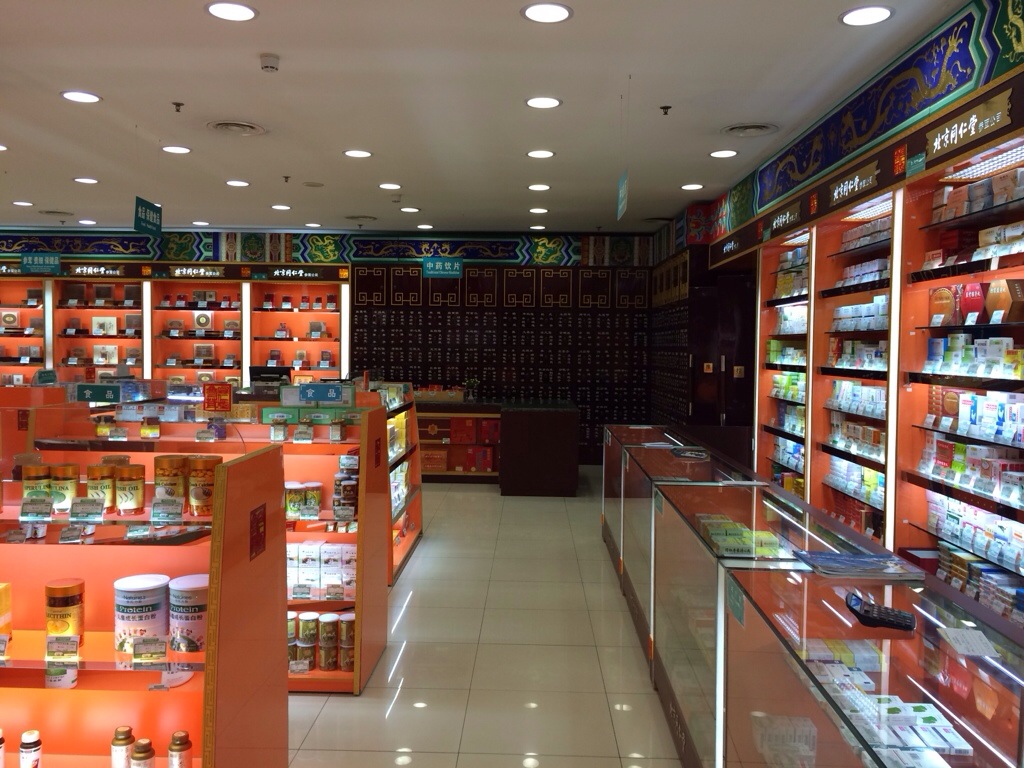
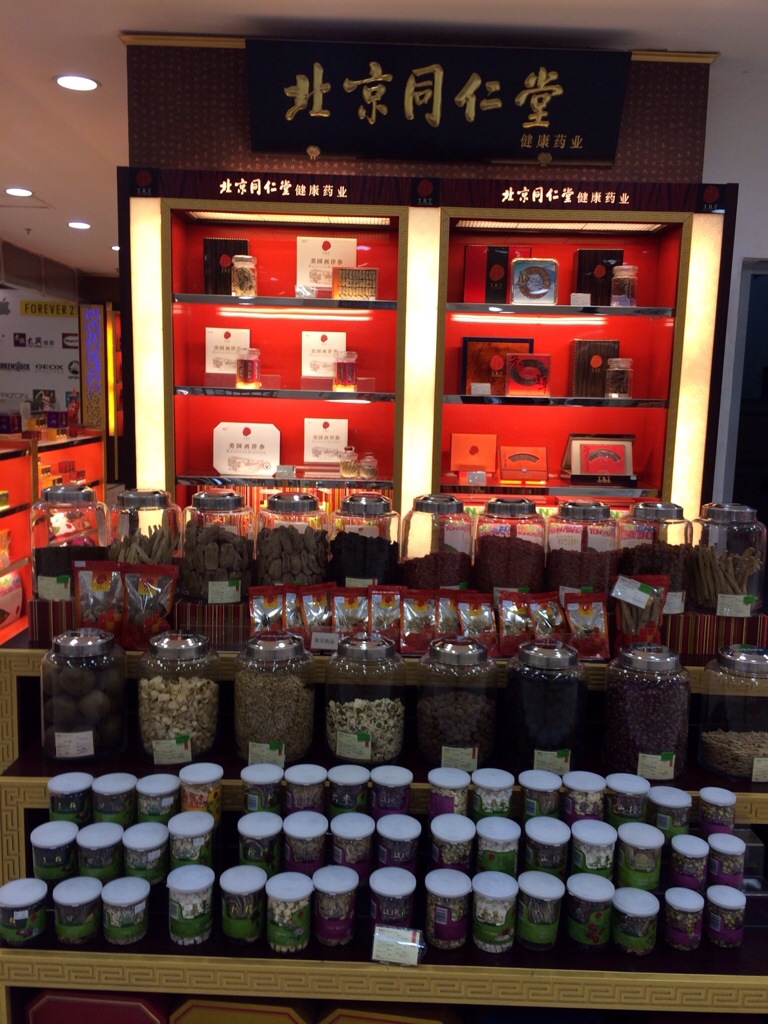
So I went to a big pharmacy in a high-end department store to find some cold medicine. Huge place, well stocked with all sorts of goodies for sickness, longevity, fertility, prosperity, and every other health condition or wish. One of the 3 doctors on staff helped me.
Her: “Do you want Chinese or Western medicine?”
Me: “Western.”
Her: “Really? I recommend the Chinese.”
Me: “Sorry. Yes I’m sure. It’s what I know.”
Her: Eye roll.
So she showed me some Tylenol cold caps and asked for my foreign passport so she could sell them to me. “Government regulation,” she explained. Not required for 98% of what’s in the store. I guess it’s ok to sell inferior remedies to consenting foreigners, but there’s a national duty to protect one’s own citizens form the stuff.
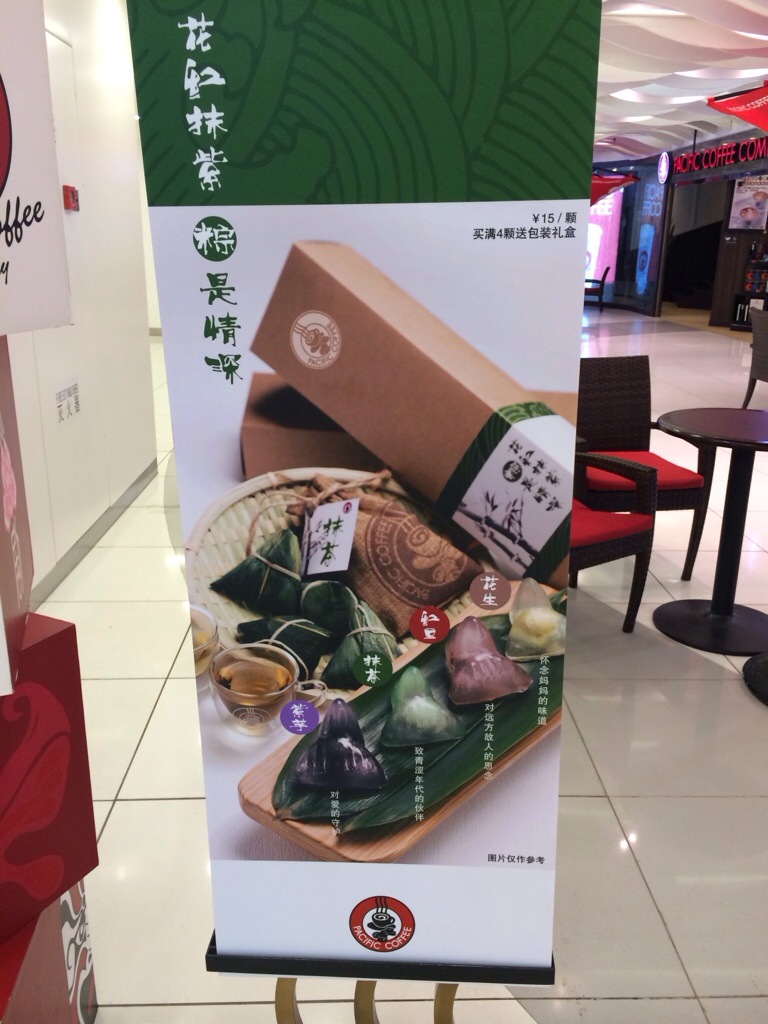
Moving on to more fun drugs, coffee culture is on a tear in China. There are currently 1100 Starbucks in 60 Chinese cities, giving the chain about 60% market share here. Of the 1500 new Starbucks scheduled to open worldwide in 2014, half will be in Asia and most of those will be in China. And the Asian stores are the most profitable among Starbucks 64 countries (further supported by Karin’s recent lattes.). The outlets we’ve seen here are constantly thriving and prices are moderately higher than in Canada. China has a long and rich tea culture, but just as in many European centres that have strong local coffee traditions and said “it won’t work here,” Venti Frappuccinos seem to travel well.
Interestingly, Starbucks in North America does 70% of their business before 10 a.m. while in Chinese locations, they get 70% of customers in the evening. It’s a lifestyle event, not just a productivity jolt.
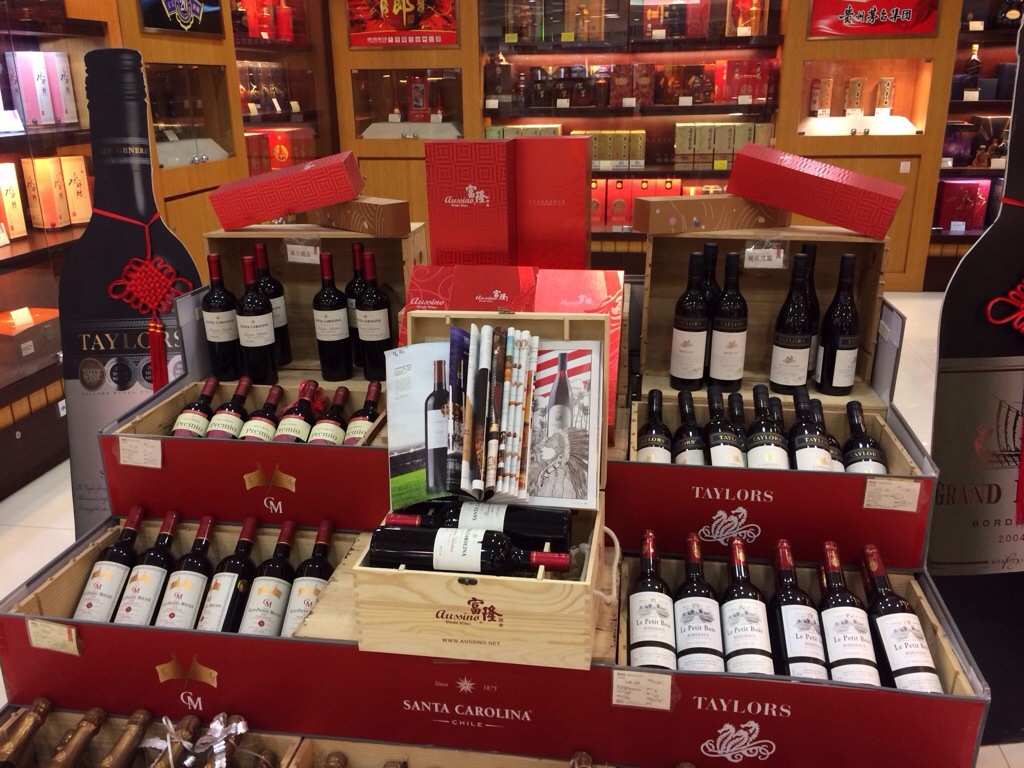
Wine is also booming. Since 2008, consumption in China is up 136%, making it the 5th largest market in the world. France’s consumption during the same period is down 18%. And if you’re into the very good stuff, you’re now more likely to be Asian than European or American. Sotheby’s reports that the top global location for its fine wine auctions is now Hong Kong.
When I lived in Beijing 15+ years ago, there were two relatively known domestic wines and they were better used as punch lines than as drinks. Since then, China has invested heavily, partnered with many of the biggest producers in California, Australia, across Europe and especially France (affluent Chinese have a love affair with French wine) and now make some quite decent wine. There is some good land and the best equipment and winemakers that money can buy. Nowhere to go but up.
Tobacco. Very unfortunately, this is also thriving here. 300 million Chinese (mostly men) smoke and 100 million people are expected to die from smoking in China this century. The country is the last great growth hope for cigarette companies who are hounded by pesky regulators, lawsuits, and social progress elsewhere. This is one of the only places I’ve seen where there’s virtually no warning labels on packaging and restaurants are still a great place to light up. Between this and the pollution that is now legendary, I can’t imagine what will happen to lung disease and other related problems in the years to come.
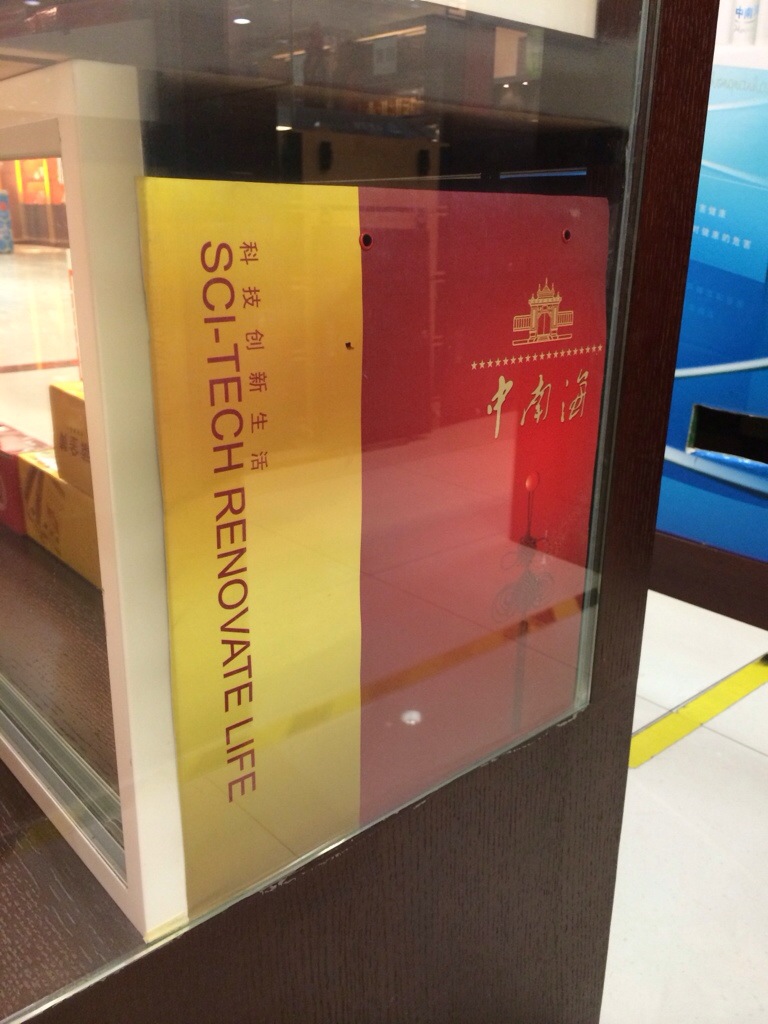
Across from the medicine section I was in, the department store had luxury display cases full of domestic cigarette brands. (Irony not lost.). In the place where you might expect a graphic warning label, one brand poster announced: “Sci-tech Renovate Life”. There’s your public education moment. And there’s why only 40% of Chinese know that smoking causes coronary heart disease.
Off to pop a vitamin C and head out to get our last Beijing supper!
6








 The Spigelblog